Esta página aún no está disponible en español.
Sikhula Sonke
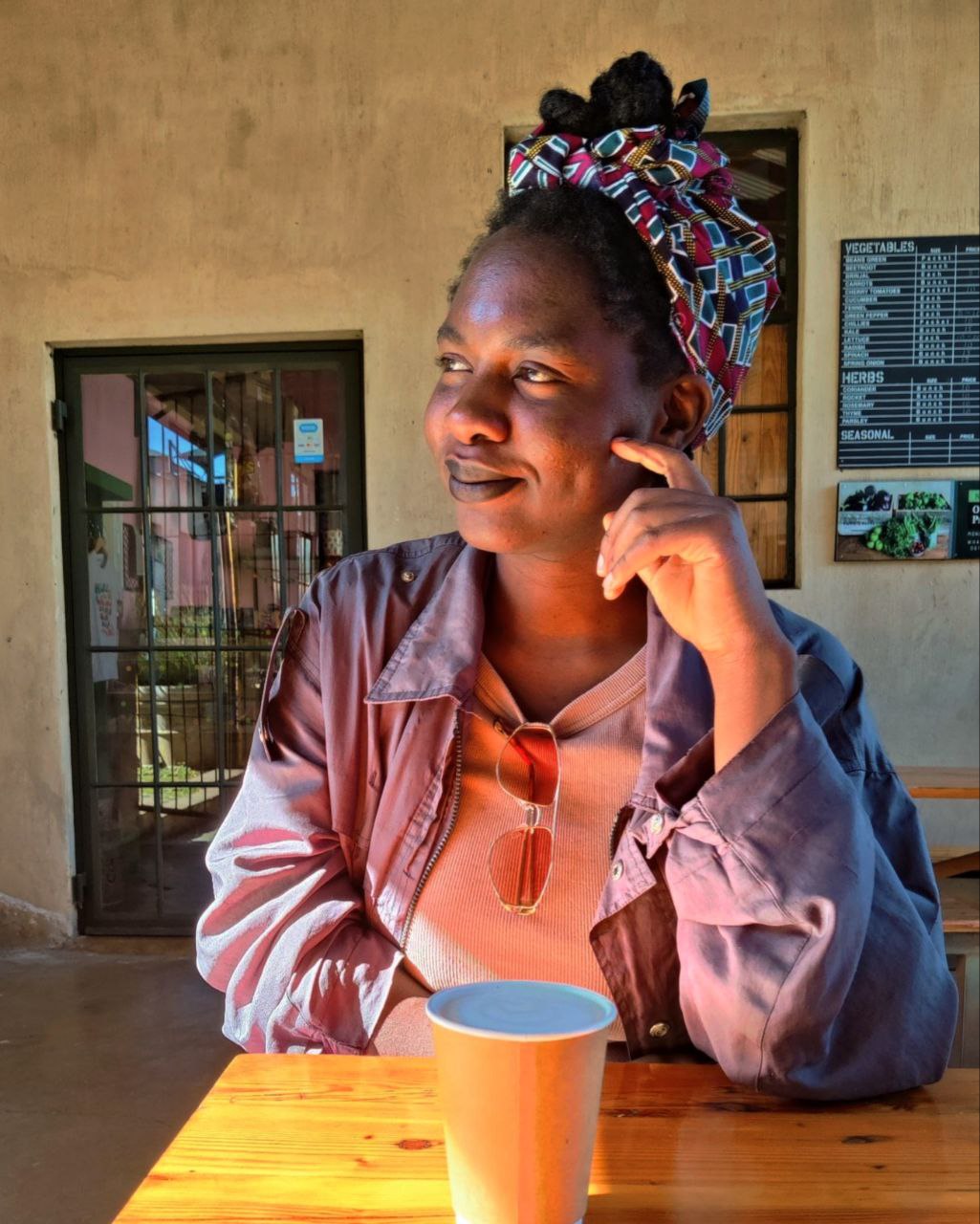
Esther Mwema
An Afrofuturist living archive of village banking, honoring the community savings systems that shared wealth long before formal finance reached them. A Future Money project.
Sikhula Sonke
Watch the video (opens in a new tab)
Listen to the full podcast here: Sikhula Sonke: Living Archives of Afrofuturist Village Banking (opens in a new tab)
Sikhula Sonke, which means “We Grow Together,” is a collaborative art and research project led by Zambian artist and digital inequalities practitioner Esther Mwema in partnership with Jon Adam Chen and community members from Zambia and South Africa. The project documents and celebrates village banking and community-rooted savings systems, such as Chilimba and Stokvel, as longstanding, resilient alternatives to centralized financial models.
Rooted in trust, collective governance, and mutual support, village banking functions through informal, decentralized structures where groups contribute to shared financial pools for savings, emergencies, and ceremonial purposes. Primarily led by women, these networks serve as practical financial instruments and powerful drivers of social cohesion and economic resilience.
“Wealth goes beyond money. Wealth is health. Wealth is being able to trust each other to build community […] It is not individualistic.”
Esther Mwema
Sikhula Sonke reimagines village banking through an Afrofuturist lens, envisioning financial futures grounded in indigenous wealth-sharing practices rather than in Western institutions. The project culminated in a living archive—an immersive installation featuring audio recordings, community stories, photographs, and a communal roundtable that served as both a symbolic and literal space for dialogue. The exhibition, showcased at the Interledger Summit, highlighted community-led storytelling and direct collaboration with village banking groups.
One of the project’s key revelations was the global prevalence of similar systems—from West African tontines to South Asian rotating savings groups and even digital crowdfunding platforms. This highlighted a universal instinct toward communal wealth, challenging the dominance of individualistic, capitalist economic frameworks.
Looking ahead, Mwema and Chen plan to expand Sikhula Sonke by developing a virtual archive, establishing a cross-community digital platform, and researching the integration of AI tools into informal finance, building on the work of scholars such as Professor Prudence in Lusaka. These efforts aim to enhance the visibility and connectivity of village banks while preserving their core values of decentralization, trust, and care.
At its core, Sikhula Sonke invites us to rethink financial inclusion, not as access to dominant systems, but as the recognition and elevation of existing community-led models that have sustained people for generations. It reminds us that the future of finance doesn’t have to be invented; it can be remembered, honored, and reimagined.