Responsabilidades delegadas
Cada capa cumple una función y depende de que las demás cumplan las suyas, lo que mantiene la sencillez de cada parte.
Un conjunto de tecnologías abiertas para conectar los pagos.
Programe una llamada sobre integración
La tecnología de Interledger permite conectar bancos, billeteras e instituciones financieras mediante estándares compartidos, protocolos abiertos y herramientas de código abierto diseñadas para la integración en el mundo real.
Los sistemas de pago actuales funcionan con redes separadas, reglas distintas e infraestructuras desconectadas. Cada nueva conexión exige integraciones a medida, acuerdos por separado y una coordinación continua, que deben establecerse desde cero en cada ocasión. Interledger reemplaza ese esquema por un protocolo abierto y un conjunto de estándares compartidos, a fin de que los sistemas puedan funcionar juntos sin rehacer las integraciones cada vez.
Interledger es un conjunto de protocolos abiertos que funcionan en capas, conforme al modelo de la arquitectura de Internet. Cada capa tiene una responsabilidad asignada y sabe cómo comunicarse con las capas situadas justo encima y debajo de ella. Esta estructura permite adaptar la tecnología, porque una capa puede mejorarse o reemplazarse sin alterar las demás.
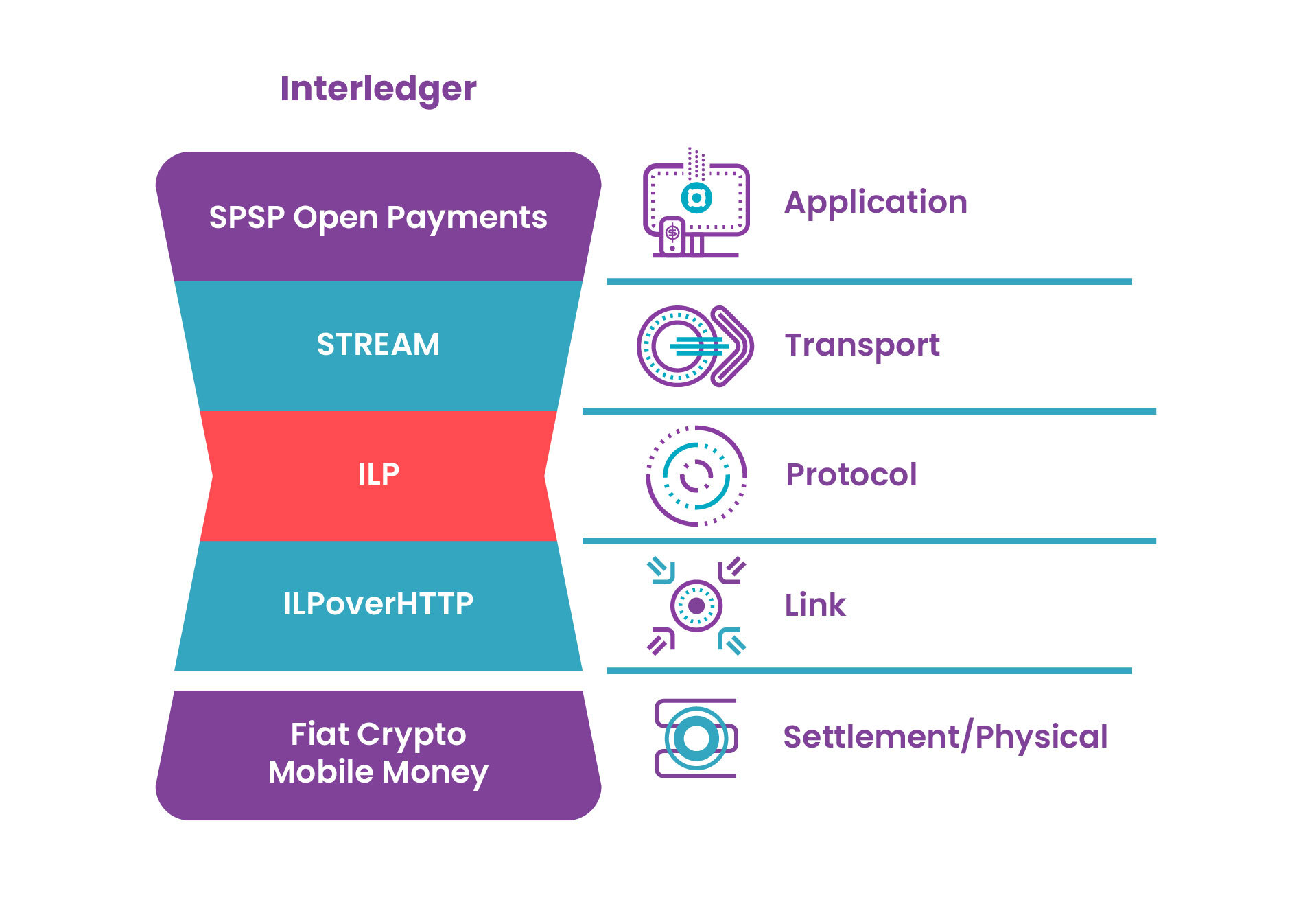
Definen cómo una aplicación prepara un pago con una cuenta: solicita el pago, cotiza el monto y las comisiones, y obtiene la aprobación del pagador.
Dividen un pago en paquetes, los cifran y los envían a través de ILP, y los reensamblan de forma confiable en el otro extremo.
Enruta valor entre esos sistemas. Determina a dónde debe dirigirse un pago y lo reenvía, sin necesidad de conocer la tecnología subyacente.
Proporcionan comunicación autenticada en ambos sentidos entre los titulares de las cuentas o sus proveedores de servicios financieros.
Explore los protocolos de la capa de enlace
La base del conjunto de tecnologías: los bancos, las billeteras y los servicios de dinero móvil que mantienen las cuentas y transfieren los fondos. La liquidación se realiza fuera de Interledger, lo que favorece una mayor competencia y evita la dependencia de un proveedor.
Rafiki es la implementación de código abierto que reúne estas capas, para que una institución financiera regulada pueda adoptar el conjunto completo de tecnologías sin tener que desarrollar cada parte por su cuenta.
Web Monetization es el estándar web abierto para pagos y micropagos nativos del navegador que ILP hace posible. Utiliza los protocolos de la Capa de aplicación para realizar estos pagos.
Cada capa cumple una función y depende de que las demás cumplan las suyas, lo que mantiene la sencillez de cada parte.
Una capa solo necesita comprender los conceptos de las capas situadas justo encima y debajo de ella, no los de todo el sistema.
Las capas pueden intercambiarse sin alterar las demás. Una nueva tecnología de libro contable en la base o una nueva aplicación en la parte superior funcionan sin cambiar el protocolo intermedio.
Como las partes son independientes, el conjunto de tecnologías puede crecer y adaptarse con el tiempo, mientras su núcleo permanece estable.
Toda nuestra tecnología es de código abierto y dispone de documentación completa, por lo que nada le impide probarla. Si le interesa, estos son algunos enlaces clave.
Como organización que otorga subvenciones, apoyamos y financiamos a quienes desean experimentar con todo el conjunto de tecnologías de infraestructura o con parte de él, e implementar esas tecnologías. También apoyamos al conjunto del ecosistema que explora los pagos abiertos como medio para ampliar el acceso a los servicios financieros, fomentar su adopción y fortalecer la autonomía financiera.
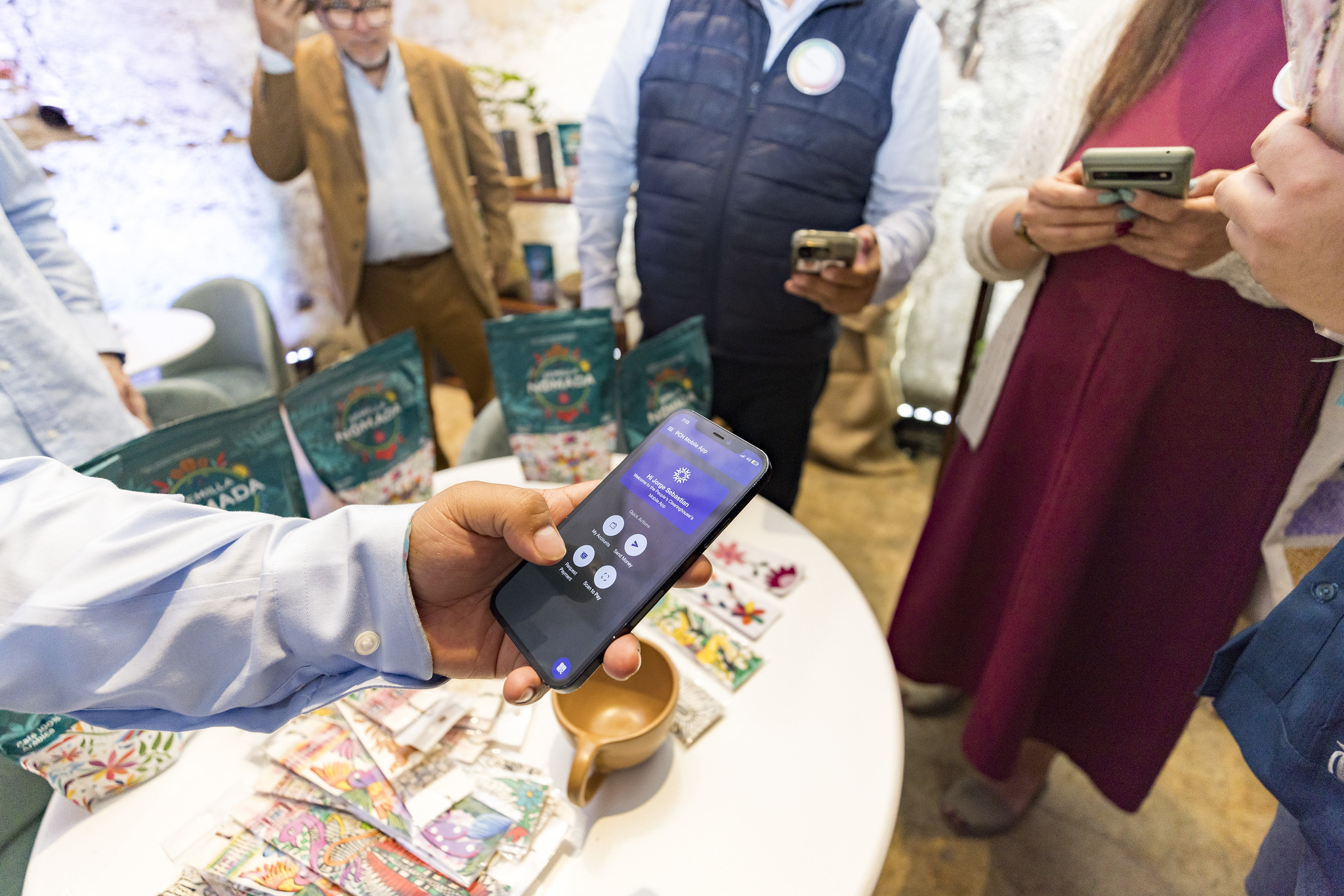
En México, People’s Clearinghouse desarrolla infraestructura para facilitar la interoperabilidad entre más de 140 cooperativas de ahorro y crédito, junto con un corredor directo de remesas desde Estados Unidos, lo que permite que las cooperativas participen en redes financieras más amplias con los sistemas que ya utilizan.

En la Universidad de la Ciudad del Cabo, una de las instituciones beneficiarias de NextGen Higher Education, equipos de estudiantes desarrollaron DigiStokvel y SecureLifeCover en un hackatón, dos prototipos que incorporan la interoperabilidad digital al mercado tradicional de ahorro comunitario de Sudáfrica.
Puede desarrollar soluciones con Interledger por su cuenta, con la documentación abierta, los repositorios, las herramientas de prueba y el apoyo de la comunidad. También puede hacerlo con apoyo: Interledger Foundation financia, mediante sus programas de subvenciones, a equipos e instituciones que integran el conjunto de tecnologías de Interledger o implementan Open Payments.