Shareable and memorable
A readable URL such as https://wallet.example.com/alice, instead of long account numbers.
Esta página aún no está disponible en español.
The common interface for digital payments
Read the docs (se abre en una pestaña nueva)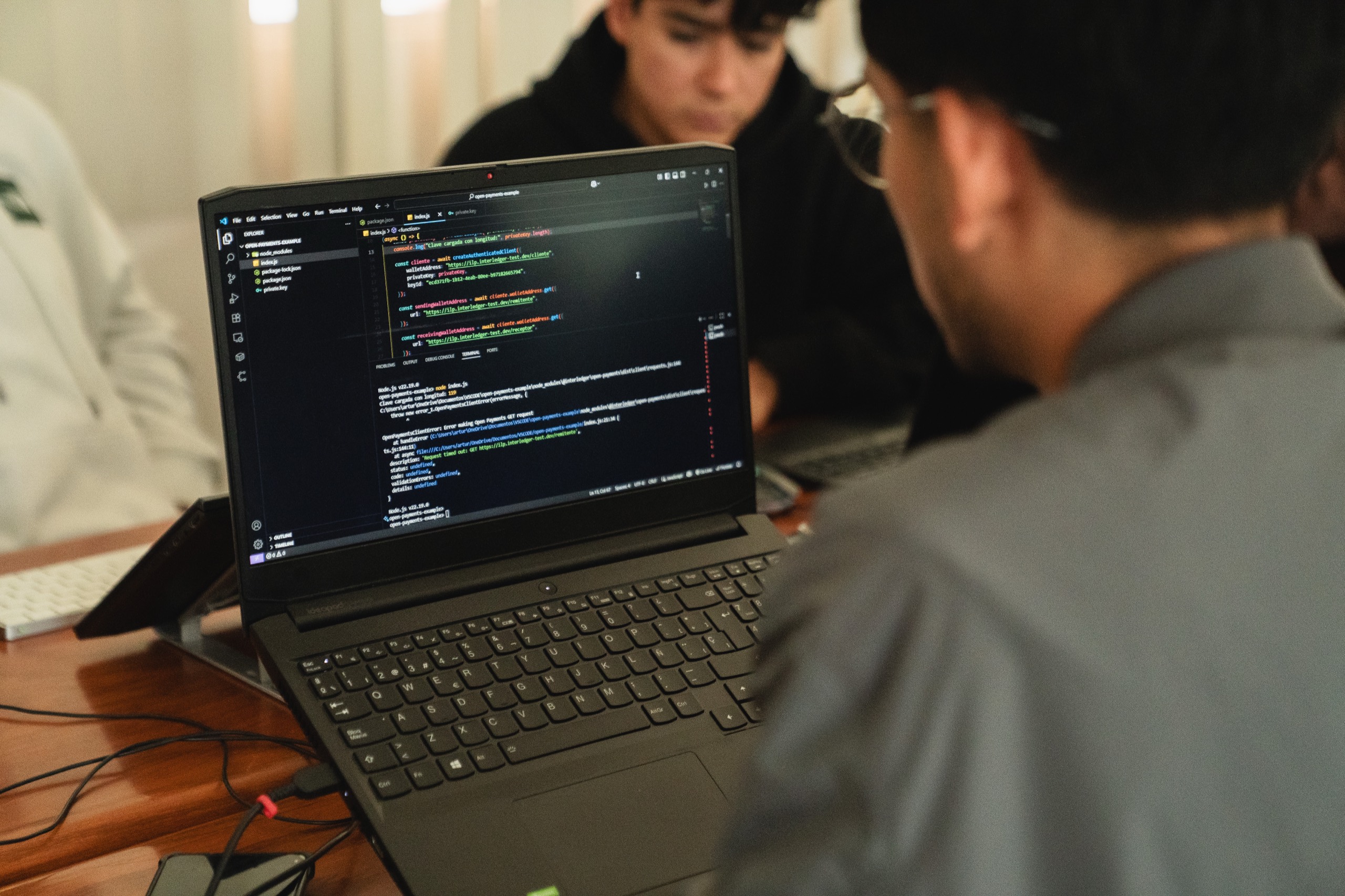
Open Payments is a shared standard that lets applications interact directly with users’ accounts, simplifying how payments are requested, approved, and completed across systems.
When an application wants to move money today, it has to negotiate separately with each payment provider, build custom connections, and handle every edge case on its own. There is no shared way for an app to ask whether it can initiate a payment, so every integration reinvents the interface, and the landscape fragments further each time a new provider enters the market. Open Payments replaces that with a common way for applications to request, approve, and initiate payments across any wallet, bank, or mobile money account that has adopted it.
Sending a payment with Open Payments does not require card numbers, bank details, or account credentials. One thing is enough: a wallet address - a public identifier for an account, like an email address for money.
A readable URL such as https://wallet.example.com/alice, instead of long account numbers.
An alias for your account that does not expose sensitive financial details.
It works the same across banks, mobile money services, and digital wallets, regardless of country, currency, or underlying technology.
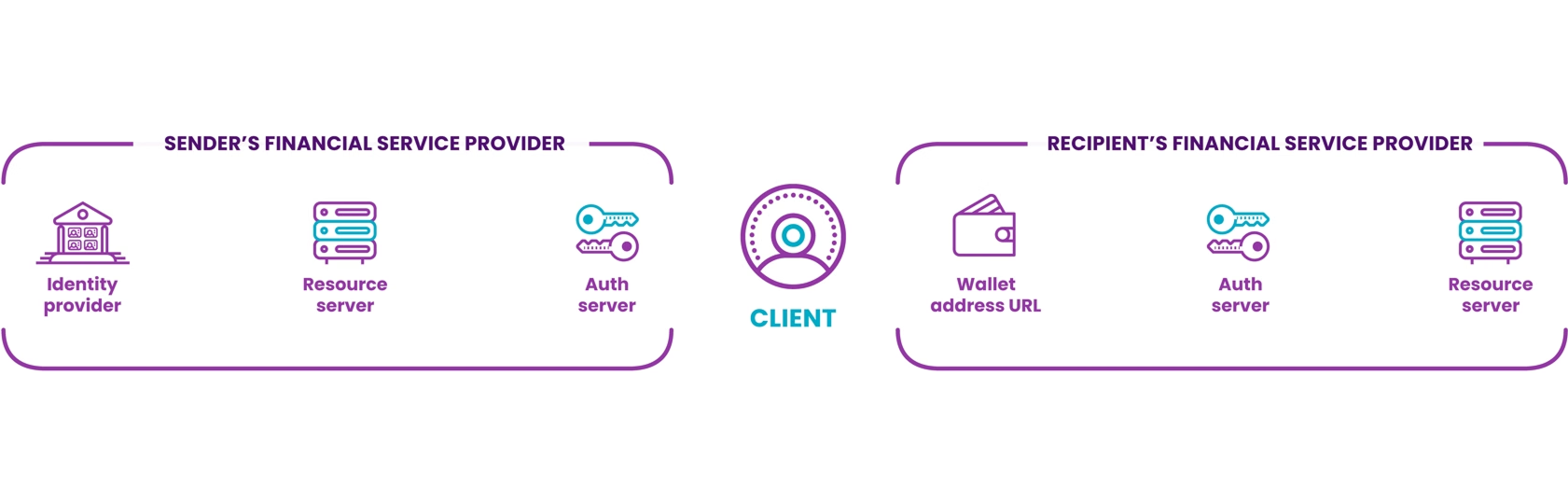
The application uses the sender’s and recipient’s wallet addresses to reach each provider directly. The recipient’s provider is told a payment is expected. The sender’s provider prepares a quote showing the full amount, including fees and any conversion. The sender reviews and approves it, and their provider verifies their identity. Once consent is given, the two providers complete the transfer. Users stay in control throughout, and applications never touch funds directly.
Explore Open Payments in a safe test environment. Create a test wallet, get a wallet address, and simulate a payment flow from start to finish, with no risk.
Explore our suite of test tools - from our test wallet to the test boutique.
Jump into our GitHub repo, explore the code, and try the SDKs.
Read our Open Payments Docs to truly understand the tech.
Learn Open Payments with our guides, courses and video series.