Blog
Artículos destacados del Blog de Interledger
-
¿Los derechos financieros son derechos humanos?
A medida que las finanzas digitales se vuelven centrales en la vida cotidiana, garantizar un acceso equitativo a los servicios financieros es crucial para la dignidad, la autonomía y la inclusión, lo que hace de la inclusión financiera digital un facilitador clave de los derechos humanos en el mundo moderno.
 11 min de lectura
-
-
Banca sin bancos: lo que África puede enseñar a Estados Unidos sobre el acceso financiero
Las innovaciones de tecnología financiera de África, incluida la incorporación digital de Ghana, el ecosistema de tecnología financiera colaborativo de Nigeria y el éxito del dinero móvil de Kenia, demuestran cómo los sistemas financieros que priorizan la accesibilidad pueden ampliar drásticamente la inclusión financiera y las oportunidades económicas.
 7 min de lectura
23 resultados
No results found. Please adjust your keyword search or filter settings.
Search is unavailable right now. Showing all posts instead — please try again later.
-
Banca sin bancos: lo que África puede enseñar a Estados Unidos sobre el acceso financiero
Las innovaciones de tecnología financiera de África, incluida la incorporación digital de Ghana, el ecosistema de tecnología financiera colaborativo de Nigeria y el éxito del dinero móvil de Kenia, demuestran cómo los sistemas financieros que priorizan la accesibilidad pueden ampliar drásticamente la inclusión financiera y las oportunidades económicas.
-
El futuro de la inclusión financiera comienza con la confianza
La inclusión financiera comienza con la confianza: las personas necesitan sistemas financieros que sean transparentes, relevantes y estén alineados con la forma en que hoy generan y administran su dinero. A medida que la economía digital crece, las instituciones deben combinar la tecnología moderna con la educación y el diseño centrado en la comunidad para ampliar las oportunidades.
 10 min de lectura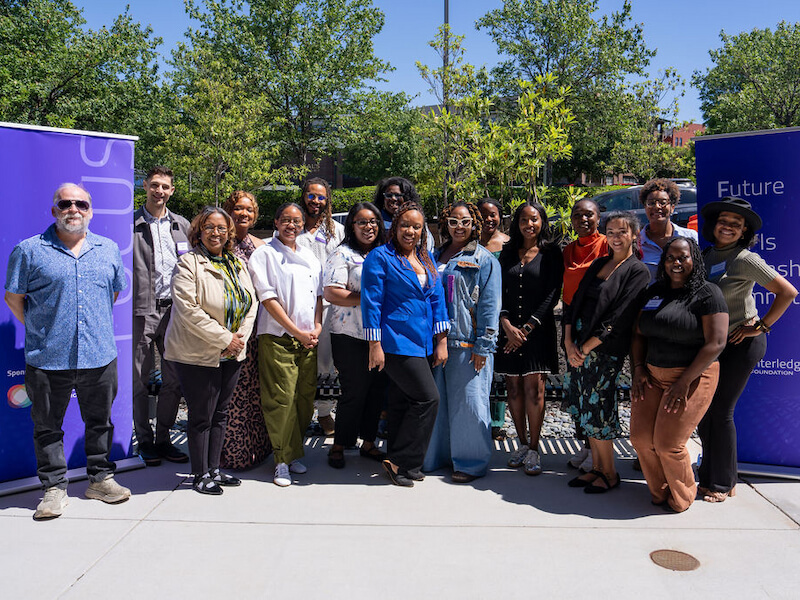
-
Por qué financiamos una investigación sobre quiénes quedan excluidos de los pagos instantáneos
Una investigación realizada en más de 20 países reveló que los sistemas de pagos instantáneos a menudo tienen como objetivo la inclusión, pero están diseñados de maneras que excluyen a los proveedores financieros más pequeños debido a barreras de gobernanza, normativas, económicas y técnicas.
7 min de lectura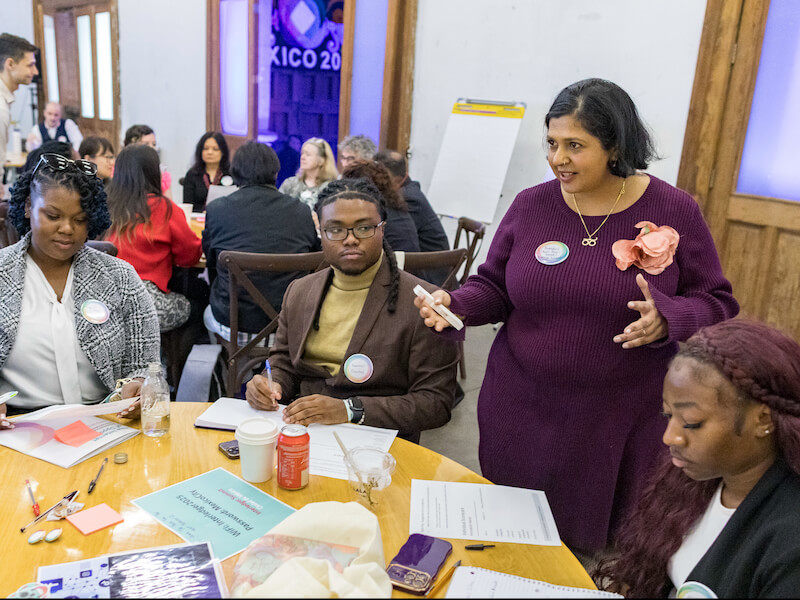
-
Web Monetization se integra con Offerwall de Google
Web Monetization ahora está integrado en Offerwall de Google, lo que permite a los usuarios apoyar directamente a los editores mediante micropagos eficientes, junto con anuncios o encuestas.
6 min de lectura
-
Interledger Foundation lanza el programa de subvenciones “Interledger on Campus” para apoyar iniciativas dirigidas por estudiantes en Open Payments
Interledger Foundation lanzó “Interledger on Campus”, un programa global de minisubvenciones que ofrece hasta USD 5000 a clubes de estudiantes universitarios para llevar a cabo proyectos breves que exploren Open Payments, el acceso financiero y la interoperabilidad.
2 min de lectura
-
Interledger Foundation otorga USD 200 000 a la Social Web Foundation para apoyar las redes sociales descentralizadas
Interledger Foundation ha concedido una subvención de USD 200 000 para la Social Web Foundation con el fin de investigar modelos sostenibles de ingresos y gobernanza para plataformas sociales descentralizadas y gestionadas por la comunidad, con especial atención a los creadores, los editores y los servidores federados.
4 min de lectura
-
-
Web Monetization Wrapped 2025
Le damos la bienvenida a Web Monetization Wrapped, un recorrido por los logros de 2025 y por todo lo que construimos, mejoramos, recuperamos e impulsamos este año.
-
Cómo Web Monetization utiliza Open Payments - Parte 1: Conexión de la billetera
Comprender cómo la extensión del navegador utiliza Open Payments para conectar de forma segura su billetera con Web Monetization
-
Programa Call for Papers
La convocatoria de ponencias de Interledger Foundation destaca la investigación global que promueve la inclusión financiera digital y los pagos interoperables a través de diversas perspectivas sociales, tecnológicas y políticas.
6 min de lectura
Mantente al día
Suscríbete a nuestro boletín y mantente al día con nuestras noticias y eventos.