Who it is for
Community organizations, nonprofits, cooperatives, civil society groups, local fintech startups, social enterprises, and individual practitioners with a concrete project plan
Small grants for community-led financial inclusion
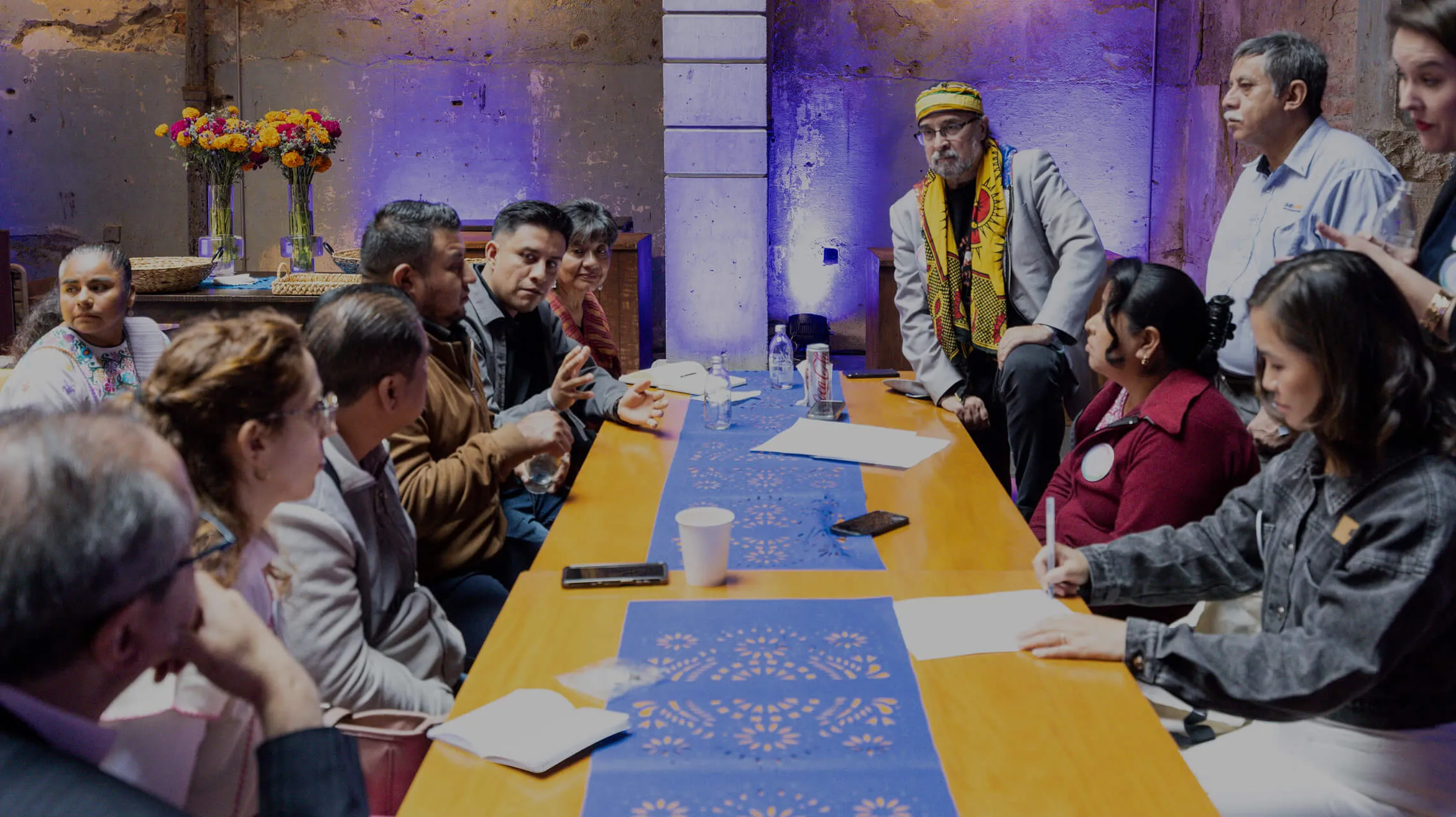
The most effective financial inclusion work often happens within a single neighborhood, a village cooperative, or a local market. The Interledger Foundation's Local Impact Mini-Grants put funding directly into the hands of the people doing that work.
The grants are designed to support local community groups and individual leaders running initiatives that work to expand digital financial access from the inside out. If you understand your community's barriers firsthand, this program is built for you.
Grants range from $500 to $3,000 USD. Applications are now paused. Stay tuned for details on when they reopen.
Community organizations, nonprofits, cooperatives, civil society groups, local fintech startups, social enterprises, and individual practitioners with a concrete project plan
Meetups, workshops, hackdays, community conversations, research, storytelling, and content.
Activities must have focus on open payments and digital financial access.
Strong proposals come from people with direct knowledge of the communities they are serving. We want to work with individuals and organizations who can bring local communities together around open payments and digital financial access, create space for learning, discussion, and hands-on experimentation, and share what they find with the broader Interledger community.
Projects serving communities in the Global South, rural areas, or peri-urban regions with limited access to formal financial services are a priority for this funding cycle.
Review the eligibility criteria, complete the application form via Submittable (opens in a new tab). Our team will follow up within two weeks of submission. Submitting early improves your chances of receiving an award within this cycle.
Before applying, review the Local Impact Mini-Grants Factsheet and check out the grant Resource Folder (opens in a new tab).
This at-a-glance guide covers the essentials for the grant: who can apply, what we fund, and how to apply.
The program is open to registered and unregistered organisations as well as individuals. Eligible applicants include community organisations, nonprofits, cooperatives, civil society and advocacy groups, local fintech startups, social enterprises, and individual practitioners with a concrete project plan. Applications are welcome from any geography.
NOTE: The Interledger Foundation must comply with the economic and trade sanctions program administered by the Office of Foreign Assets Control ("OFAC") of the U.S. Department of the Treasury. These sanctions have been imposed on specific countries, individuals, and entities that appear on OFAC's List of Specially Designated Nationals and Blocked Persons (the "SDN List").
The Interledger Foundation is prohibited from providing most goods or services to residents of sanctioned countries or their governmental entities or to SDNs without an applicable U.S. government authorization or exemption.
The grants cover work across four areas:
Eligible activities include meetups and community conversations, workshops and demos, hackdays and participatory learning sessions, local ecosystem gatherings, research, storytelling, and awareness campaigns, and content.
Activities can be hosted independently or in collaboration with existing local groups, such as coworking spaces, open-source communities, hacker spaces, universities, incubators, accelerators, or civil society networks. This list is not exhaustive: if your activity creates space for local learning and connection around open payments or digital financial access, it is worth applying.
Grant funds must go toward direct project activities. Eligible uses include:
General operating expenses, such as compensation for the organisers, and capital expenditures, are not eligible. The intention of the Local Impact Mini-Grants is to primarily provide flexible community activation mini-grants to support local events where communities are already doing such initiatives in their locale.
Applicants submit a short application via Submittable that includes a completed application form, a 2-page concept note, and a budget and timeline document outlining key milestones.
Applications are now paused. Stay tuned for details on when they reopen.
Applications are welcome from any geography. Projects serving communities in the Global South, rural areas, or peri-urban regions are a priority for this funding cycle. As a US-incorporated foundation, ILF is required to comply with sanctions administered by OFAC. Applicants from countries subject to US sanctions are not eligible.
Both individuals and organisations can apply, registered or unregistered. What matters is a concrete project plan and direct connection to the community the project is serving.
Successful applicants will typically be required to provide the following:
Applicants are also encouraged to include photos, documentation, or event materials in their submission. These contributions help the Interledger community learn from and build on each initiative.
No prior experience is required. However, applicants should demonstrate:
Yes, on a case-by-case basis. To promote diversity across geographic regions and communities, priority will be given to underrepresented regions.
Before starting your application, applicants can explore Interledger documentation, developer resources, community events, online discussions, and educational materials on open payments. Links to these resources are generally available on the grant application guideline (opens in a new tab) and the grant application resources (opens in a new tab).
Contact us via the Grant Inquiry Form (opens in a new tab) for direct support or join our Interledger Slack community (opens in a new tab) and join #local-impact-grants channel. You can also email us at LIG@interledger.org. For general questions about our grantmaking approach, review the Grantmaking FAQs in the resource folder (opens in a new tab).
Check out our Grantmaking FAQs to know our approach and expectations across all our grants. For additional clarifications, reach out to programteam@interledger.org.