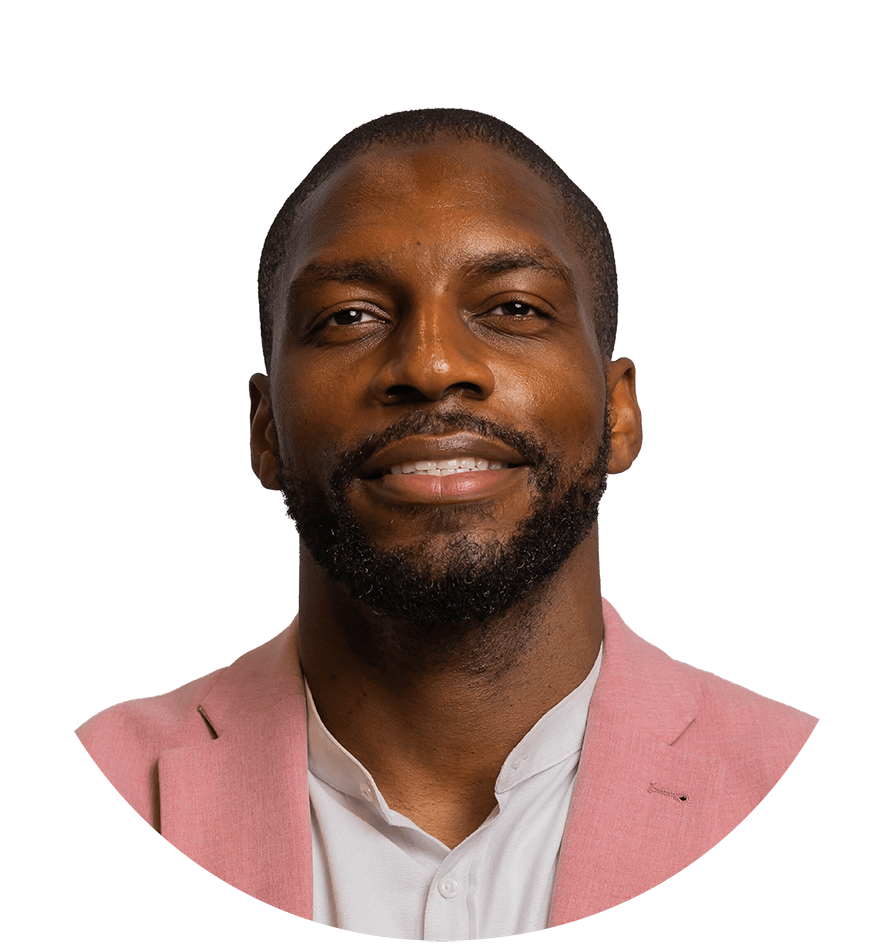
Nnanna Ijezie
Payments Strategist & Writer
Nnanna Ijezie has spent more than a decade in financial services and payment infrastructure at leading technology companies in Europe and Africa. He writes Fintech is Easy, an independent research and strategy newsletter on the art and business of global money movement. He also co-hosts the Africa Built podcast, which tells the history of African internet and technology businesses. His work centers on interoperability, financial inclusion and payments built for markets that legacy systems have long left underserved.
Fellowship Project
Nnanna’s project maps remittance corridors, the routes money takes from a sending country to a receiving one. Starting with Nigeria, he will study four corridors across Africa, Latin America and Southeast Asia. In each one he will compare provider prices at different amounts and payment methods, then make real transfers to check what arrives and how fast.
Each corridor guide follows one transfer from start to finish: which networks it crosses, which licensed intermediaries handle it, where currency is converted and what each step costs. Each guide ends by showing where open standards such as Interledger could make the route cheaper or simpler, and where licensing and liquidity are the bigger barrier.
What Inspired His Work
“As a member of the African diaspora in Europe, I sit on the other side of the same system every time I send money to Nigeria.”
Nnanna has spent his career on the product side of payments. His work there has included choosing providers, expanding into new countries and deciding which route a payment takes. From that seat he could see how routing decisions determine who gets served and at what price. As a sender, he sees the other side. A €200 transfer can arrive as ₦320,000 or ₦308,000 depending on the app, the payment method and the day, and most senders could not tell you why.
Vision for the Future
“This fellowship lets me document, corridor by corridor, what it would take for the people sending money home to get the same deal.”
He believes open infrastructure changes who gets to take part in the global money movement. When a wallet in Lagos or Kampala adopts an open standard, it can reach other networks without negotiating a separate agreement for every route. Those bilateral deals are how the largest players have kept their lead. By August 2027, his work will move from describing open payments in principle to showing, on four named corridors, where an open layer would cut costs and where it would not.
Connect with Nnanna
fintechiseasy.com (opens in a new tab) | x.com/fintechiseasy (opens in a new tab) | linkedin.com/in/nijezie (opens in a new tab)