Introducing the 2026 Interledger Fellows
Three Fellows begin a 12-month program on remittances, access to finance for social-purpose organisations, and digital credit
The Interledger Foundation is pleased to introduce the first cohort of the Interledger Fellowship Program: Nnanna Ijezie, Carlos Madrigal and Daniel Mwesigwa.
The Fellowship builds on the Interledger Ambassadorship program, which ran from 2020 to 2025. Over 12 months, Fellows carry out independent research, advocacy or technical work on the barriers that keep people and organizations from using digital financial services. Each Fellow works with a member of the Foundation’s program team.
This year’s projects share a global starting point. Around 1.3 billion adults worldwide still have no financial account (World Bank, Global Findex 2025 (opens in a new tab)). Sending money across borders costs on average 6.36% of the amount sent, more than twice the 3% target set in the UN Sustainable Development Goals (World Bank, Remittance Prices Worldwide, Q3 2025 (opens in a new tab)). Many payment systems still do not connect to one another, and the infrastructure that would let them interoperate is still being built (Financial Stability Board, 2025 (opens in a new tab)). As a result, people and organizations often pay more, wait longer or are not served at all. Each Fellow examines one part of that problem in a specific region, and the questions they ask apply well beyond it.
Nnanna Ijezie
Mapping remittance corridors
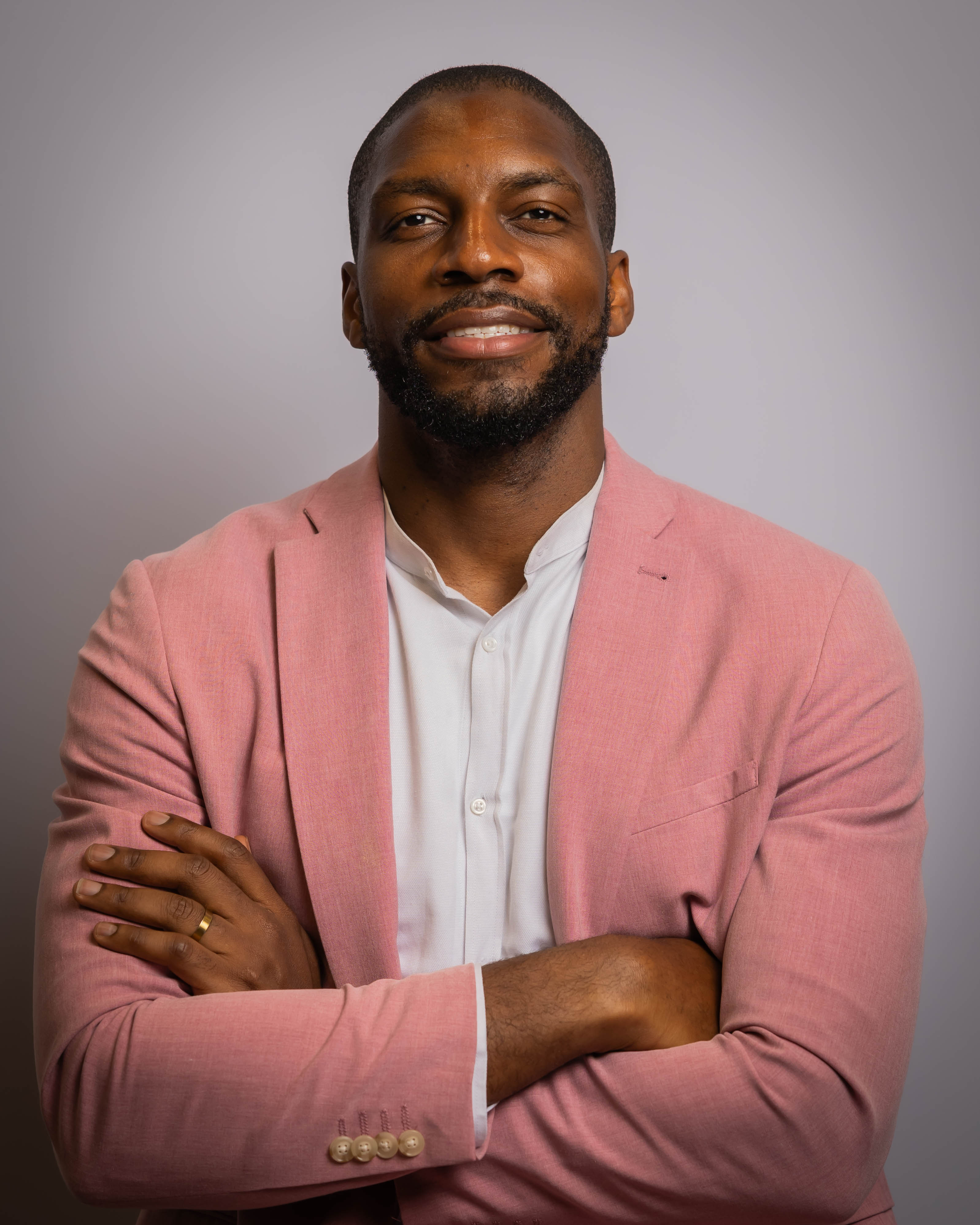
Nnanna has spent more than a decade in financial services and payment infrastructure at technology companies in Europe and Africa. He writes the Fintech is Easy newsletter, an independent publication on global money movement, and co-hosts the Africa Built podcast on the history of African internet and technology businesses.
His project, Bridging the Open Payments Gap: Mapping Remittance Corridors in Africa, Latin America and Southeast Asia, studies four remittance corridors, starting with Nigeria. In each corridor, he compares prices across providers, amounts and payment methods, and makes real transfers to check what arrives and how fast. Each corridor guide follows one transfer from start to finish: who handles it, where currency is exchanged and what each step costs. It closes with where open standards such as Interledger could make the route cheaper or simpler, and where licensing and liquidity remain the harder barrier.
The project draws on his own experience. “A €200 transfer can arrive as ₦320,000 or ₦308,000 depending on the app, the payment method and the day,” he says, “and most senders, including people who work in payments, could not tell you why.”
Follow his work: fintechiseasy.com (opens in a new tab) · LinkedIn (opens in a new tab) · X (opens in a new tab)
Carlos Madrigal
Financial access for social-purpose organisations in Central America
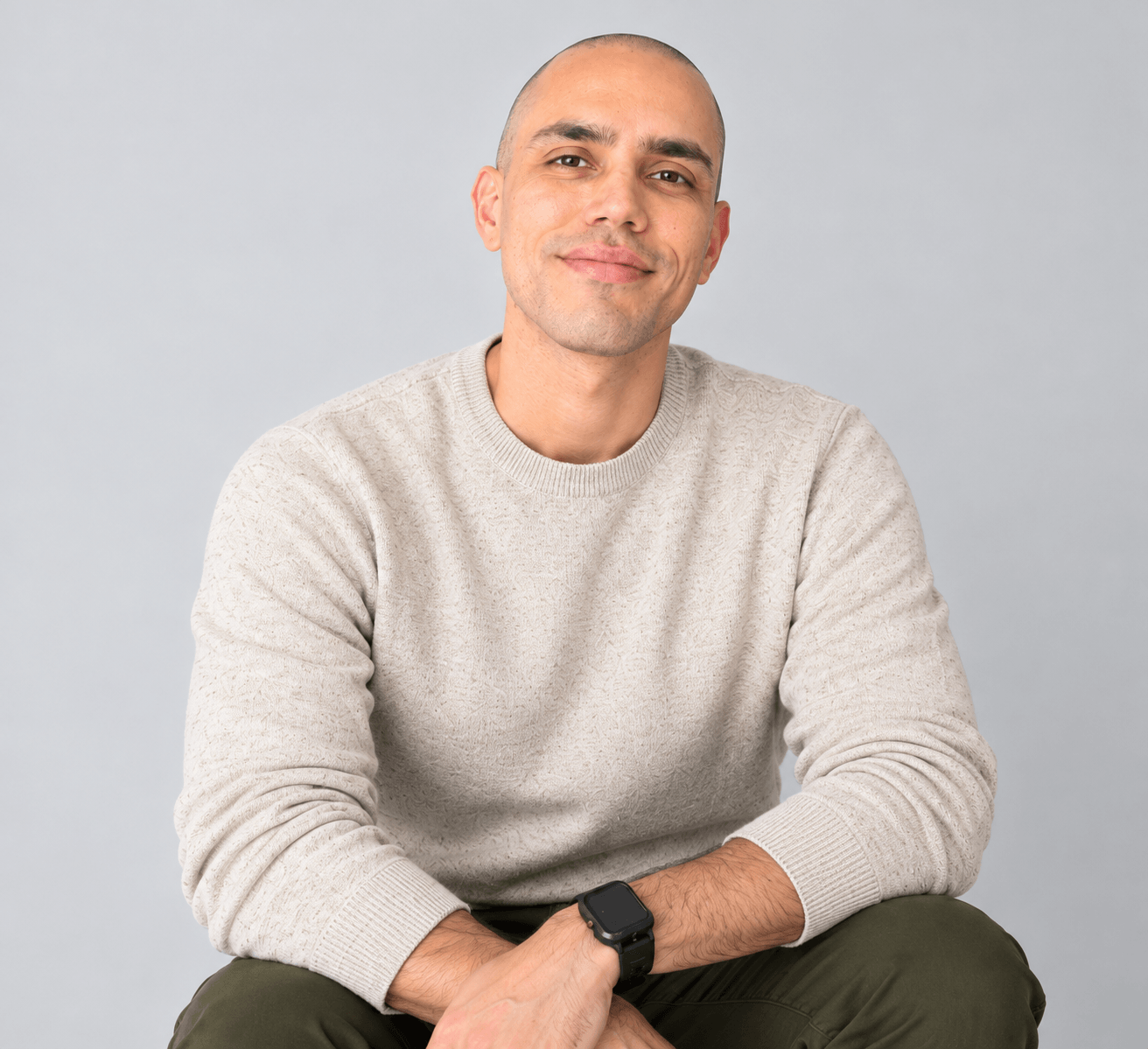
Carlos is a financial strategist with more than fifteen years of experience in regulated banking and financial leadership in third-sector organizations. In banking, he worked in risk admission, credit analysis and anti-money-laundering compliance. He then led and advised finance teams in the third sector, designing reporting and compliance systems for organizations operating across several currencies and jurisdictions. He holds an MBA from the Universitat de València.
His project, Financial Access for the Third Sector in Central America: Payment Frictions and the Conditions for Open Standards (provisional title), starts from a basic need. Every organization must open an account, receive funds and make payments in order to operate. For many social-purpose organizations in Central America, this involves requirements, costs, and delays that are rarely documented. The problem is not limited to the region: about two-thirds of US-based nonprofits working abroad report difficulty accessing financial services, including account closures, delayed transfers and higher fees (World Bank, 2017 (opens in a new tab)).
Over 12 months, Carlos will map the payment routes these organisations use, document where those routes stall and what that costs in time, money and risk, and examine how banks, regulators, cooperatives, fintechs and funders see the same process. The project also explores where open payment standards could reduce these frictions and where solutions lie elsewhere, such as in regulation or provider incentives. Outputs will include a public report, a map of payment frictions and recommendations.
“A decade inside banks taught me how financial institutions decide which clients to serve,” he explains. “Leading finance teams in the third sector later showed me the same decisions from the client’s side of the counter.”
Follow his work: LinkedIn (opens in a new tab)
Daniel Mwesigwa
A Credit Infrastructure Observatory
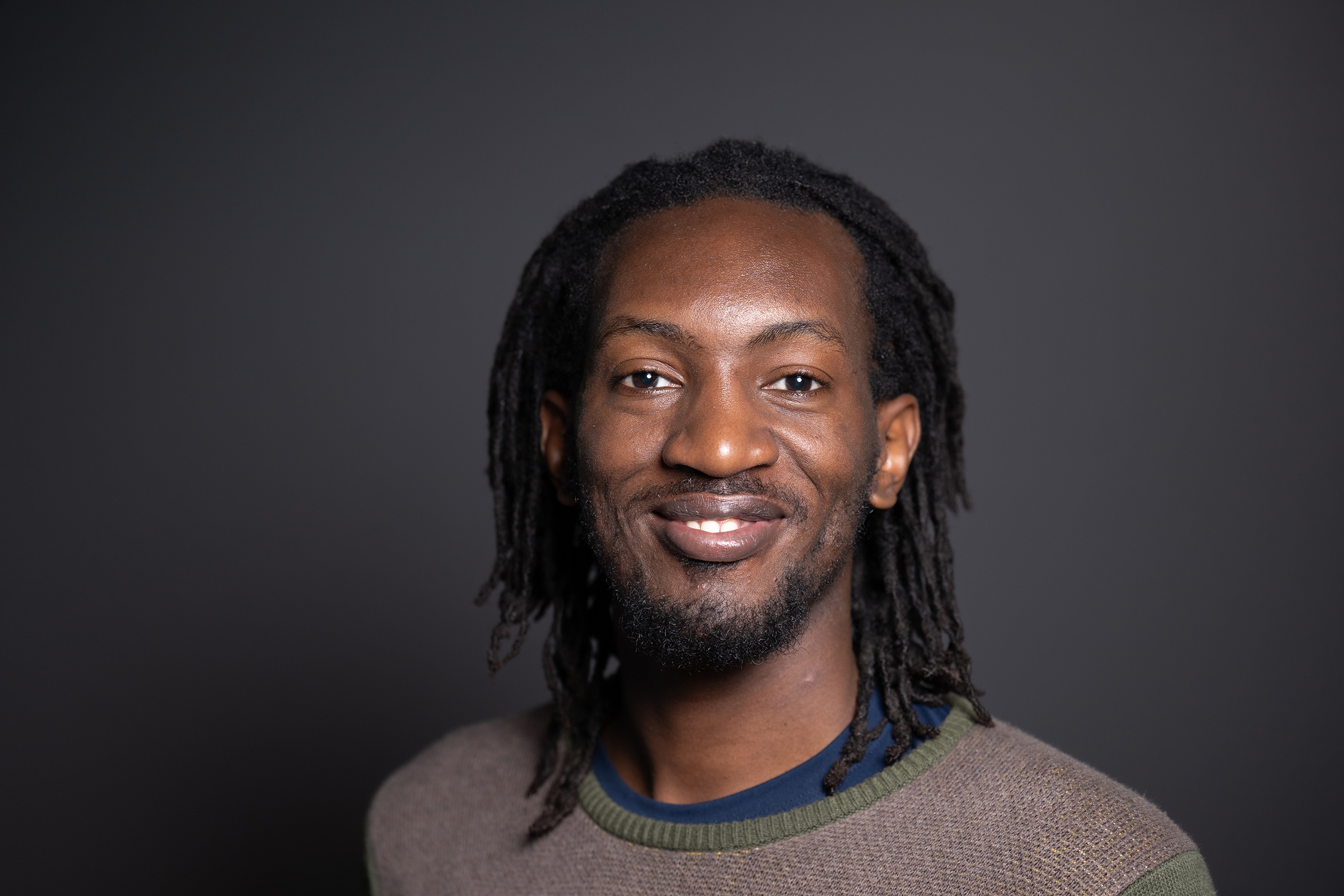
Daniel is a tech policy analyst and researcher. Drawing on social informatics and machine learning, he studies how financial infrastructures are made and what their design and policy mean for social and economic life. He has worked in tech policy and has published on AI, financial access, innovation and digital rights.
His project, Credit Infrastructure Observatory: Mapping the Emerging BNPL Landscape in Kenya and the United States, examines “Buy Now, Pay Later” (BNPL) lending in Nairobi and New York. BNPL services use AI-driven credit scoring and alternative data to extend credit to people outside traditional finance. They also raise concerns about opaque algorithms and over-indebtedness. In the United States, nearly two-thirds of BNPL loans went to borrowers with lower credit scores, and more than six in ten users held several BNPL loans at once (Consumer Financial Protection Bureau, 2025 (opens in a new tab)). Daniel will gather consumers’ experiences with BNPL to understand how digital lending is changing and which policies and regulations these markets may need.
The Observatory will produce independent evidence on BNPL where reference material is scarce, to support consumer understanding of these systems and inform policy. “I have always been inspired by the agency users’ exercise to reshape their routines around digital credit products,” he says.
Follow his work: mwsig.com (opens in a new tab) · LinkedIn (opens in a new tab)
What comes next
Over the coming year, the Fellows will share their progress through the Interledger Blog, our Community calls and many other events. Their findings will be published on the Interledger Foundation website.
To follow the Fellows’ work, make sure you subscribe to our newsletters and follow our socials.